outback tours from brisbane

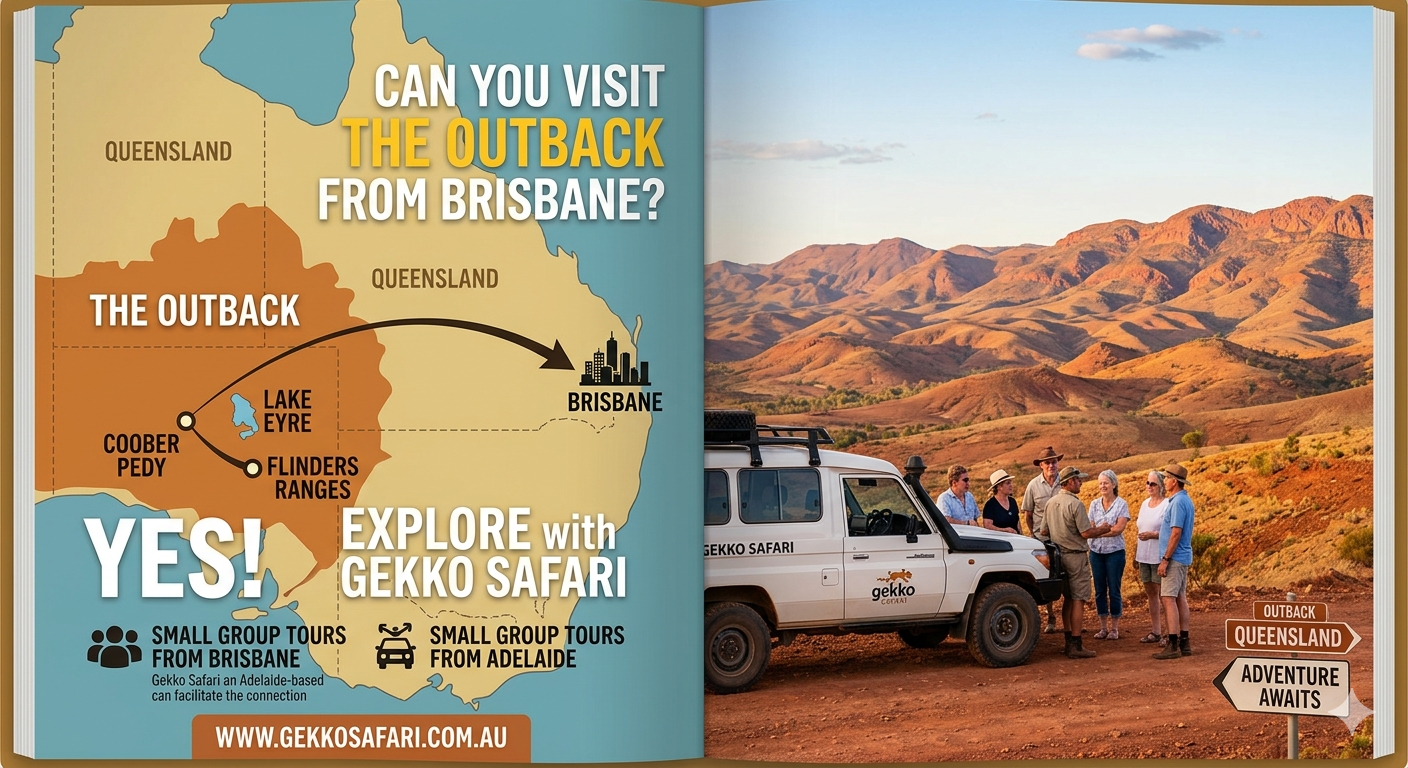
Can You Visit the Outback from Brisbane?

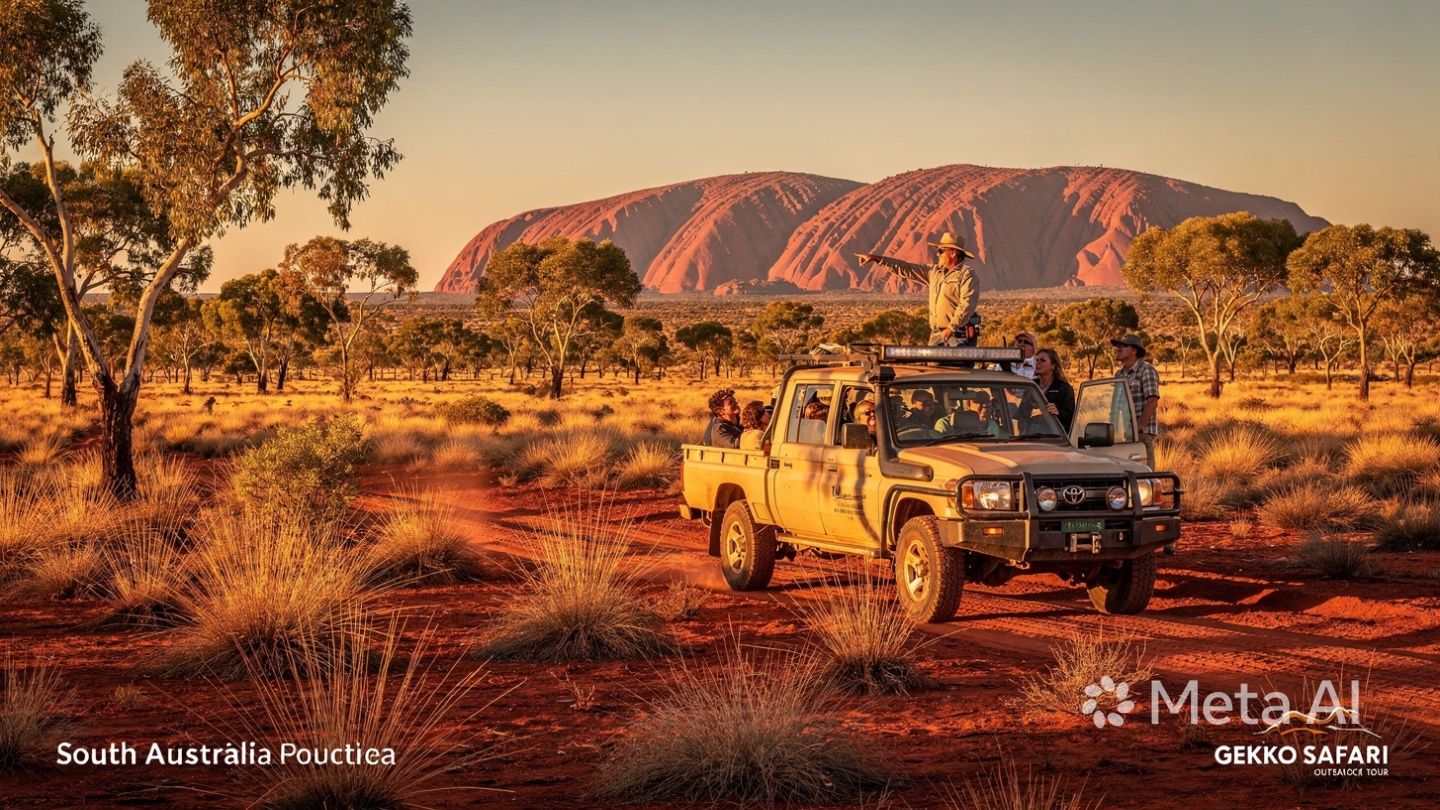
If you’ve ever sat in Brisbane’s city traffic and wondered what’s beyond the ranges — the real, red, wide-open Australia — you’re not alone. Every week, travellers from South East Queensland ask us the same question: “Can I actually get to the Outback from Brisbane?” The short answer is yes. The better answer is that with Gekko Safari, getting there is half the adventure.

Can You Access the Outback from Brisbane?

Absolutely. Brisbane sits at Queensland’s south-east corner, and the Outback begins in earnest roughly 600–700 km to the west. Towns like Roma, Charleville, and eventually Longreach mark the journey from coastal humidity into wide red plains, giant skies, and the kind of silence that city life never quite delivers.

The key is choosing the right way to get there — and the right guide once you do.

At Gekko Safari, our guides have been leading outback tours from Brisbane for years, covering routes that most travellers would never discover independently. From the fossicking fields near Winton to the iconic woolsheds of Longreach, we know this country because we’ve lived it.

How Far Is It from Brisbane to the Outback?

The distance from Brisbane to the Outback depends on where you’re headed. Roma sits around 490 km west — a solid five-hour drive. Longreach, one of Queensland’s most iconic outback towns, is approximately 1,200 km from Brisbane. Charleville, a favourite on many of our tours, falls around the 750 km mark.

These aren’t weekend drives. That’s exactly why a guided tour makes sense. Our team handles the logistics — the fuel stops, the station access, the accommodation, and the knowledge — so you arrive informed and ready to experience it properly.

How Much Does the Train Cost from Brisbane to Longreach?

The Spirit of the Outback train departs Roma Street Station in Brisbane and travels to Longreach, running twice weekly. Train fares typically start from around $150–$200 for an economy seat, rising to $400+ for a sleeper cabin. Prices vary by season and availability, so booking early is recommended.

Do Seniors Get Free Rail Travel in QLD? Do Over 65s Get Cheap Train Tickets?

Queensland seniors holding a valid Senior Card can access discounted rail fares on many Queensland Rail services. For regional routes like the Spirit of the Outback, concession rates apply — generally around 50% off the standard adult fare.

Do seniors get a discount on the Indian Pacific? The Indian Pacific is a Great Southern Rail service and operates separately from Queensland Rail. Senior concessions may apply, but these vary. It’s worth contacting Great Southern Rail directly or speaking to your Gekko Safari travel consultant, as we can help clarify the best options for your situation.

That said, many of our senior travellers find that a guided safari package actually works out more economical than piecing together trains, accommodation, and tours independently — and far less stressful.

What Is the Best Way to See the Outback in Australia?

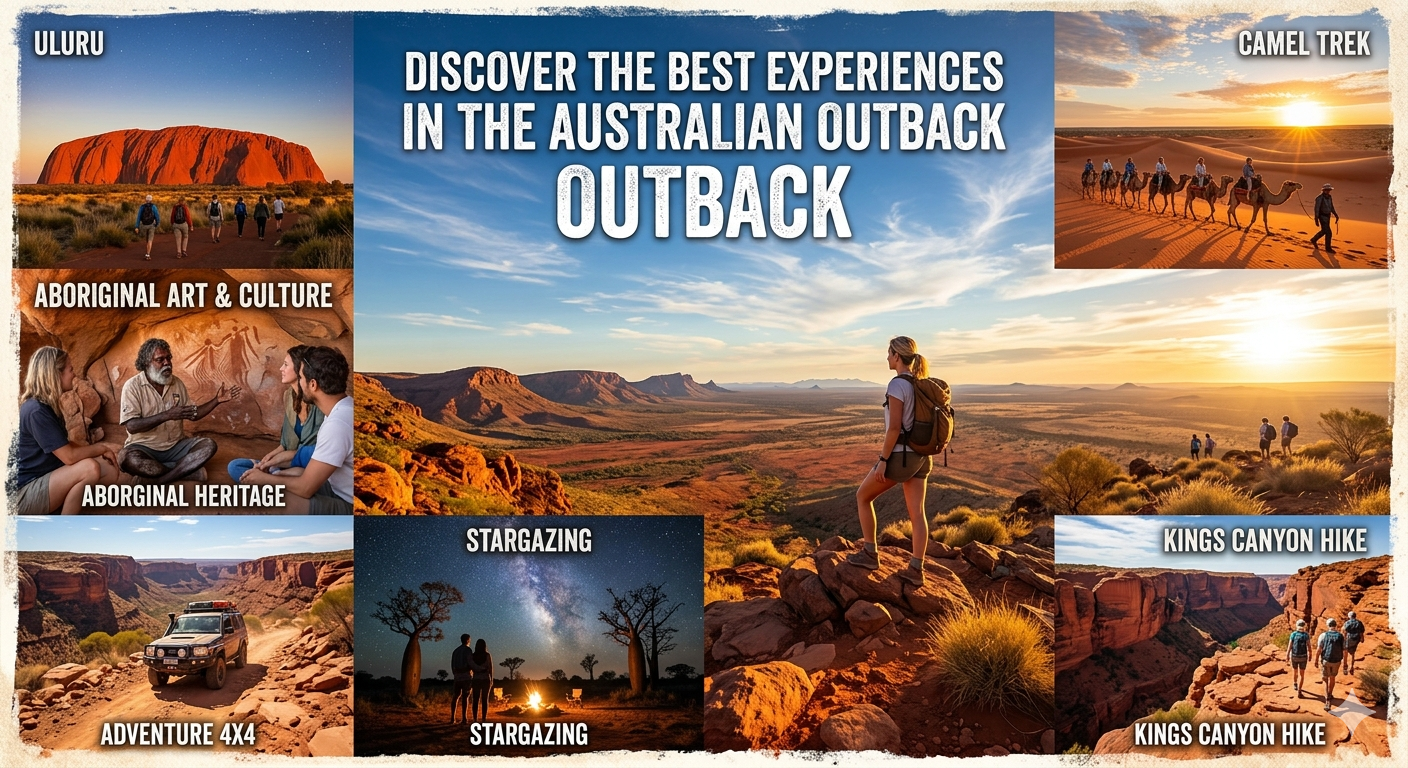
There’s no single “best” way — it depends on what kind of traveller you are. But if you want depth over distance, a guided small-group tour wins every time.

Here’s why: the Outback isn’t a theme park with signs pointing you to the highlights. It’s a landscape that reveals itself slowly, through conversation with locals, through knowing which dirt track leads to a hidden gorge, and through understanding the Indigenous, pastoral, and geological history layered into every horizon.

Gekko Safari tours are built on exactly that kind of local knowledge. Our guides aren’t reading from a script — they’re sharing stories from the country they know personally. Here’s a real example: One of our guides, during a tour through the Channel Country near Longreach, detoured down an unmarked station track to show guests a dry waterhole that fills with pelicans after rain. It wasn’t on any tourist map. It was knowledge earned over decades of working this land. That’s the difference a genuine outback safari makes.

What Is the Most Famous Town in the Outback?

Longreach consistently tops the list. Home to the Australian Stockman’s Hall of Fame and the Qantas Founders Museum, it’s the heartbeat of Queensland’s Outback tourism. But don’t overlook Winton (where Waltzing Matilda was first performed), Birdsville (famous for its remote pub and annual races), or Charleville (known for its dark sky experiences and WWII history).

Our outback tours from Brisbane visit several of these towns, combining cultural landmarks with natural highlights that no guidebook fully captures.

When to Visit the Australian Outback?

Timing matters enormously. The best months to visit Queensland’s Outback are April through September — the cooler, dry season. Temperatures are manageable (15–28°C), wildflowers often bloom after winter rains, and the red plains are at their most photogenic.

Avoid December through February — summer heat regularly exceeds 40°C, some roads become impassable, and the experience is genuinely challenging even for seasoned travellers.

What is the wettest month in New South Wales? While this blog focuses on Queensland’s Outback, it’s worth noting that NSW’s Outback fringe sees its heaviest rainfall in February–March, which can affect cross-border tours.

5 Frequently Asked Questions About Outback Tours from Brisbane

  1. How long would it take to walk across the Outback?

Walking across Australia’s Outback is an extreme endurance feat — covering roughly 2,500–4,000 km depending on the route. Most solo walkers who have attempted it take 6–12 months. For the rest of us, a guided tour is the far wiser option.

  1. Can I join an outback tour from Brisbane as a solo traveller?

Yes. Gekko Safari welcomes solo travellers on all group departures. Our small group sizes mean you’ll meet like-minded people without feeling lost in a crowd.

  1. Are outback tours from Brisbane suitable for older travellers?

Absolutely. We design our itineraries with comfort and flexibility in mind. Many of our most enthusiastic guests are retired Australians exploring their own country for the first time.

  1. What should I pack for an outback tour?

Sun protection (hat, SPF 50+, sunglasses), comfortable walking shoes, a light jacket for cool evenings, and a camera. We provide a full packing list on booking.

  1. How do I book an outback tour from Brisbane with Gekko Safari?

Simply visit our website or call us directly. We’ll match you to the right tour based on your timeline, interests, and budget.

Contact Gekko Safari — Brisbane’s Outback Tour Specialists

Ready to swap the city skyline for the real Australia? Gekko Safari has been connecting Brisbane locals and visitors with the genuine Outback experience — not the tourist version, but the real thing.

Whether you’re researching outback tours from Brisbane for the first time or you’re a seasoned traveller looking for something deeper, our team is here to help you plan every detail.

📞 Call us to speak with one of our experienced guides directly. 🌐 Visit our website to browse upcoming tour departures. 📧 Email us with any questions — we respond within one business day.

What Is the Outback in Australia? Here's What Nobody Actually Tells You Before You Go

What Is the Outback in Australia? Here’s What Nobody Actually Tells You Before You Go

That was my introduction to the Australian Outback. And honestly? It ruined me for ordinary travel.

If you’ve been googling what is outback in Australia and getting back the same recycled geography lesson about arid climates and sparse populations — fair enough, that stuff’s true. But it doesn’t really tell you what the place feels like, or why people come back to it again and again. That’s what we’re going to get into here.

What Defines the Australian Outback Region?

Most sources will tell you the Outback covers roughly 70% of Australia’s landmass — which is technically accurate and also kind of impossible to picture until you’re standing in the middle of it. It’s not one single place. It’s more like a mood that spreads across Queensland, South Australia, the Northern Territory, Western Australia, and parts of New South Wales.

There’s no official border that says “you’re in the Outback now.” The shift is gradual — towns get smaller, gaps between petrol stations get longer, the land flattens out or breaks into ridges of red quartzite, and eventually you realise you haven’t seen another car in forty minutes and that’s completely fine.

The climate swings hard. Summer days in Central Australia push past 45 degrees, and some nights in places like Coober Pedy drop cold enough to need a proper jacket. The Outback doesn’t do mild.

What matters most, though — and what a lot of travel content glosses over — is the cultural depth of this country. The Australian Outback has been home to Aboriginal and Torres Strait Islander peoples for at least 65,000 years. Some of the oldest continuous living cultures on the planet exist out here. The rocks, the waterholes, the walking tracks — they carry stories that go back further than most of us can properly comprehend. Any tour worth booking will make that part of the experience, not just scenery to drive past.
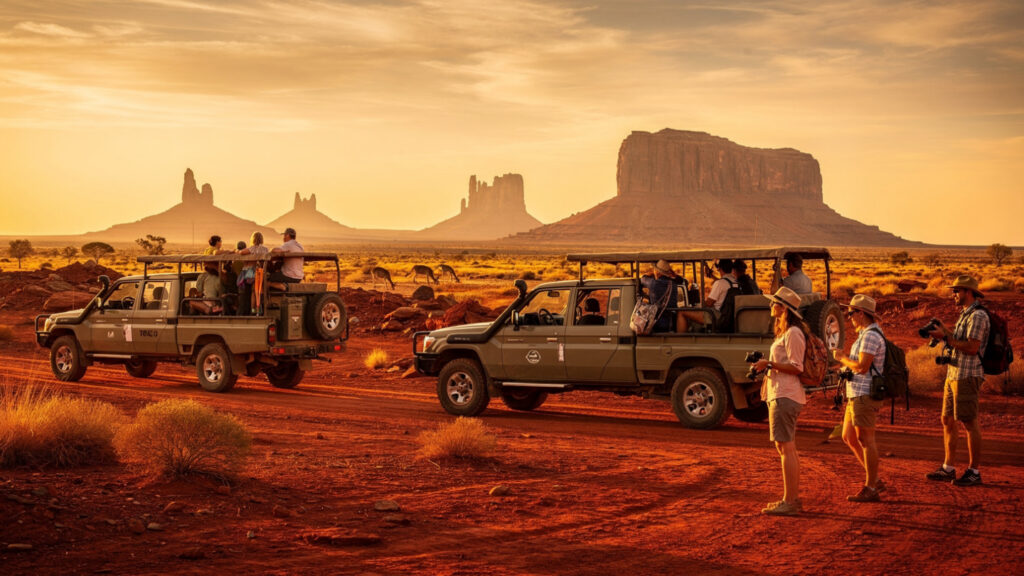
Best Ways to Experience the Australian Outback for Tourists?

Honestly, this depends on what kind of traveller you are — and how honest you’re willing to be with yourself about that.

Some people read about the Outback, buy a secondhand, load it with supplies and just… go. And occasionally that works out beautifully. More often, it results in a breakdown on an unsealed track with no phone signal and a creeping realisation that the car manual doesn’t cover “what to do when the red sand is this deep.”

The people who have the best Outback experiences tend to either know the country very well, or they go with someone who does.

Guided small-group tours are genuinely the way to go if this is your first time — or even your third. The difference between driving past a gorge and having someone explain the Dreamtime story connected to it, point out the rock art you would have walked right past, and cook you a meal over a fire at the end of it… there’s no comparison.

Self-drive trips with a proper 4WD can be brilliant. The recommended vehicle types for Outback road trips are high-clearance 4WDs — a Toyota LandCruiser is the gold standard out here, but a well-prepared Nissan Patrol or a decent camper 4WD setup works too. Do not attempt serious Outback tracks in a standard sedan or a 2WD anything. It’s not worth it.
Which Travel Agencies Specialise in Outback Adventure Packages in Australia?

Which Travel Agencies Specialise in Outback Adventure Packages in Australia?

The Outback tourism market is busy and the quality gap between operators is huge. You’ve got big-coach operators who take 50 people to Uluru and back in three days — perfectly fine for some travellers — and then you’ve got smaller, specialist operators who get you into places that don’t even have a name on Google Maps.

At Gekko Safari, we sit firmly in the second camp. We run out of Brisbane and our focus is on South and Central Australia — landscapes that are genuinely spectacular and, outside of a few well-known spots, remarkably uncrowded.

What sets us apart from the bigger operators is simple: small groups, guides who’ve spent real time on this country, and itineraries that include the coastal South Australian experiences most Outback tours completely ignore — like whale watching South Australia trips along the Eyre Peninsula and limestone coast boat tours through the Lower South East.

We also have longstanding partnerships with Aboriginal rangers who co-guide on selected tours. That’s not a box-ticking exercise — it genuinely changes what you see and understand when you’re out there.

Other well-regarded names in the broader market include Intrepid Travel for budget group travel, APT for more comfort-focused larger tours, and World Expeditions if hiking is your main motivation.

Where Can I Find Guided Outback Camping Experiences in Australia?

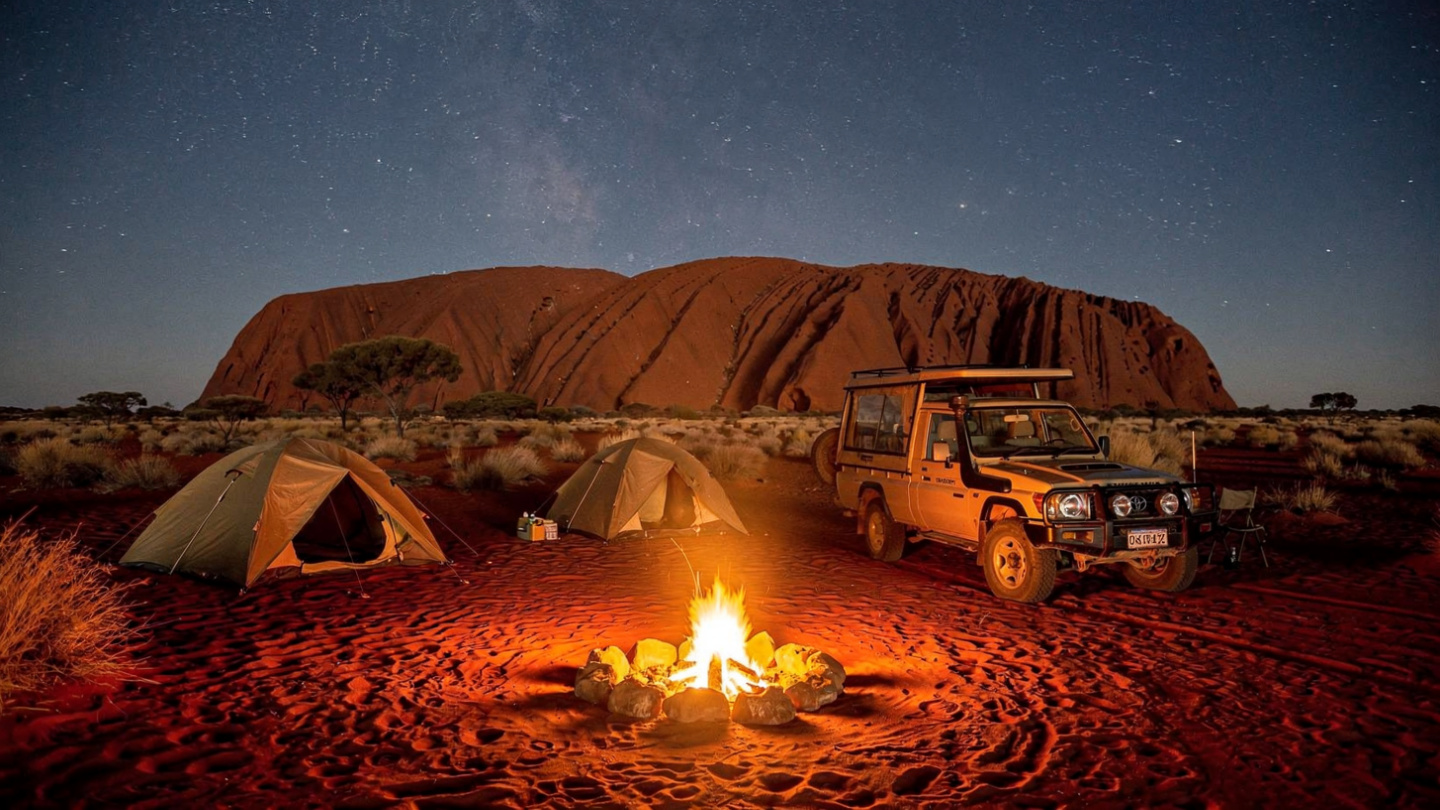
There’s a version of Outback camping that involves a camp bed, a fly net, a swag under the stars and breakfast cooked on a campfire. And then there’s the glamping version with proper mattresses, a chef, and a bottle of Barossa Shiraz waiting for you when you get back from the sunset walk.

Both are legitimate. Both are genuinely great. What matters is finding an operator who delivers whichever one you actually want — not what they think sounds better in a brochure.

The guided Outback camping experiences we run through Gekko Safari vary by itinerary. Our Flinders Ranges tours include nights at remote station properties — working cattle stations where the owners eat dinner with the guests and the conversation usually ends up being the best part of the trip. Our more rugged tours do proper swag camping in national parks, with fire pits and billy tea and all of it.

Key regions to look at for camping-based Outback tours: the Flinders Ranges in South Australia (accessible, dramatic, and full of wildlife), the Kimberley in Western Australia for serious adventurers, and Queensland’s Channel Country in the far southwest, which transforms completely after good rains.

One important note — not all Outback land is open for public camping. A lot of it crosses Aboriginal land or protected areas requiring permits. Go through a licensed operator and that side of things is handled for you.

Accommodation Options Available in Remote Outback Towns?

The clichéd image of a dusty pub with questionable plumbing still exists — and those pubs are sometimes wonderful in their own right, with a publican who knows everyone’s name and a beer garden that backs onto the desert. But Outback accommodation has genuinely expanded over the past fifteen years.

Station stays are one of the most rewarding options. Working cattle and sheep properties across South Australia, Queensland and the NT take in guests — and unlike a hotel, you’re actually in someone’s home, in the middle of their livelihood. Some include mustering experiences, horseback rides, or just the chance to sit on a veranda with a cold drink watching the light change over the paddocks.

Coober Pedy in South Australia does something completely different — underground accommodation carved into the hillside to escape the 45-degree summers. Dugout hotels, underground churches, underground homes. It’s genuinely one of the most unusual places to sleep in the world.

When you book through Gekko Safari, we choose accommodation that’s locally owned wherever possible. The money stays in the community, and you get a more authentic experience. Those two things aren’t always separate.

What Are the Top-Rated Outback Tour Operators in Australia?

Before we get into names, it’s worth talking about how to actually evaluate a tour operator — because star ratings online tell you surprisingly little.

It was built for search rankings but it maps perfectly onto how you should assess any Outback operator. Has this person actually spent time on the country they’re taking you to? Do they have formal qualifications in first aid, navigation, or cultural interpretation? Are they endorsed by recognised tourism or conservation bodies? And do they have a track record of operating responsibly?

Here’s a real example of why this matters. A traveller — let’s call her Mel, Brisbane teacher, mid-40s, booked her first Outback trip through a discount deal site. The operator was cheap, the guide was likeable but clearly inexperienced, and when she asked about the significance of a particular rock formation they were standing next to, the answer was basically a shrug. She told us this story when she booked her second Outback trip with Gekko Safari. Same landscape, different guide — someone who’d spent three years living in the Flinders Ranges, held a formal qualification in Indigenous cultural interpretation, and could spend twenty minutes talking about a single rock face in a way that made her understand Australia differently. Same country. Completely different experience.

When assessing top-rated Outback tour operators in Australia, look for: guide qualifications, years of operation, Indigenous community partnerships, emergency protocols, and memberships in Ecotourism Australia or the Australian Tourism Industry Council. Gekko Safari holds both.
South Australia's Coast Meets the Outback: Whales, Limestone and Extraordinary Scenery

South Australia’s Coast Meets the Outback: Whales, Limestone and Extraordinary Scenery

Here’s something the big Outback guides almost never mention: some of the best experiences in South Australia happen where the red earth stops and the Southern Ocean begins.

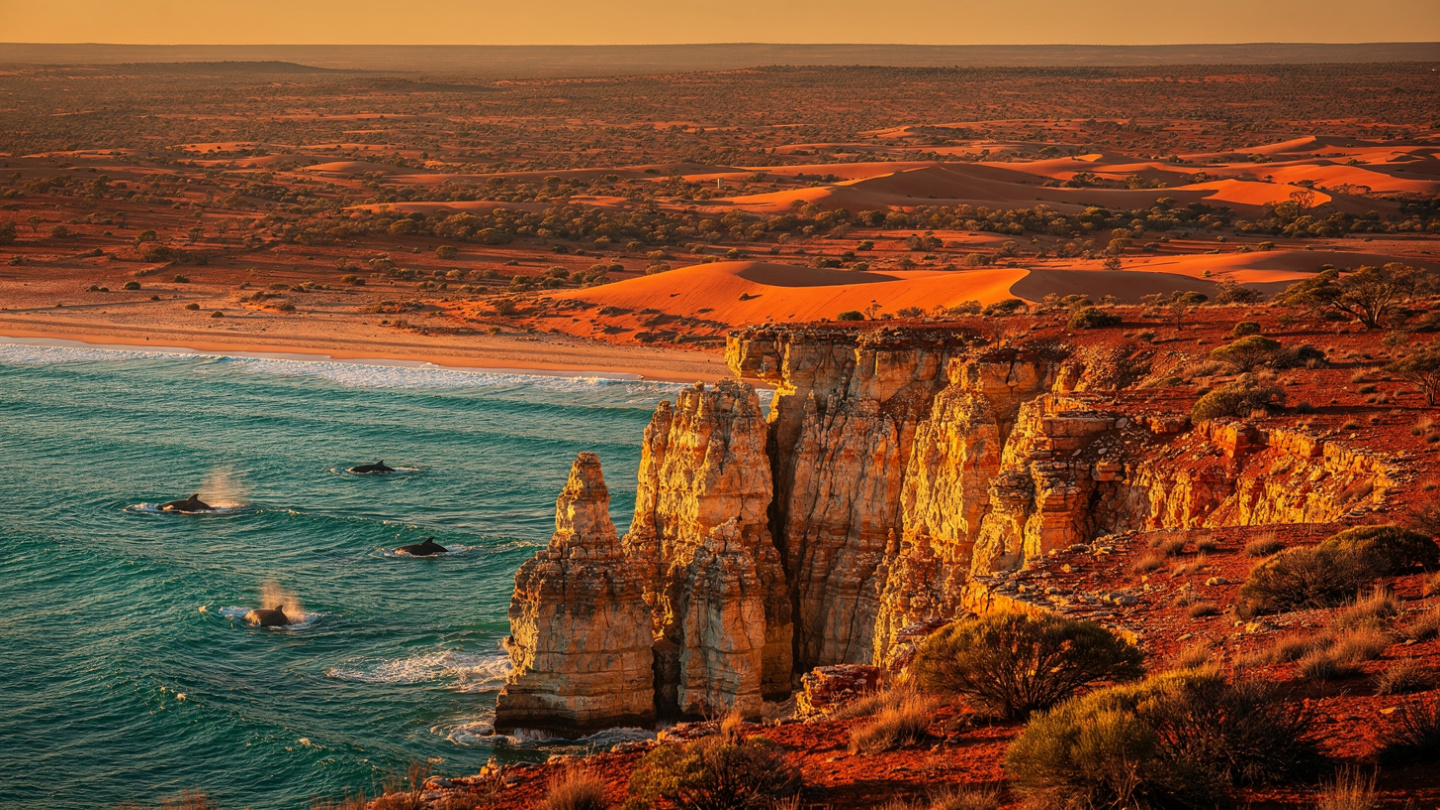
The Eyre Peninsula in particular is extraordinary. You’ve got one of the most remote stretches of Australian coastline in the world — backed by the flat expanse of the Nullarbor — and from June through to October, whale watching Eyre Peninsula tours run to observe Southern Right Whales gathering in the sheltered bays near Head of Bight. These are massive animals, up to 18 metres long, breaching and nursing calves in the shallows while the Outback stretches out behind you. It’s an unusual combination of landscape and wildlife that you genuinely won’t find anywhere else.

The best time to see whales in South Australia is June to October, with peak activity usually in July and August. For whale sightings today South Australia, the Head of Bight Visitor Centre runs seasonal updates during the viewing season. The best time of day to see whales is early morning — calmer water, better light, and the animals tend to be more active before the wind picks up.

Further east, the Limestone Coast is a completely different scene — lush, green, and anchored by the city of Mount Gambier with its famous blue crater lake. Limestone coast attractions include the Umpherston Sinkhole (a sunken garden inside an ancient cave), the Coorong wetlands running north from the Murray mouth, and the string of historic fishing towns along the coast. Limestone coast boat tours through the Coorong are genuinely one of the most peaceful experiences in South Australia — pelicans, black swans, and water that reflects the sky in a way that makes the whole thing look slightly unreal.

Gekko Safari combines these coastal experiences with Outback itineraries routed through South Australia, meaning one trip can give you both the red desert and the Southern Ocean. Most operators never bother connecting these dots.

5 FAQs

What is the Outback in Australia — is it one region or lots of different areas?

It’s many different areas under one broad description. The Outback refers to Australia’s remote interior — covering roughly 70% of the continent — across multiple states and territories. It includes deserts, gorges, salt lakes, ancient mountain ranges, and semi-arid scrubland. There’s no single Outback — there are dozens of distinct landscapes that all fall under that name.

When is the best time to visit?

April through September is the comfortable window — cooler days, manageable temperatures, and for South Australia in particular, it overlaps with whale season on the coast. The Australian summer (November to February) is extreme in the interior and genuinely risky if you’re underprepared.

Do I need permits to access certain Outback areas?

Yes, in many cases. Aboriginal land, some national parks, and certain remote tracks require formal permits. When you book through a licensed operator like Gekko Safari, all permits are arranged on your behalf.

Is the Outback actually safe for tourists?

Yes — with preparation or with a qualified guide. The real risks are dehydration, vehicle breakdown on remote tracks, and disorientation. All of these are manageable with the right setup. Travelling with an experienced operator removes most of the risk entirely.

Can I combine Outback and whale watching in the same trip?

Yes, and it’s something Gekko Safari specifically builds itineraries around. A South Australia tour routed through the Flinders Ranges and down to the Eyre Peninsula gives you both — Outback landscapes and some of the best whales South Australia has to offer, particularly between June and October.

Come and Talk to Us — Gekko Safari, Brisbane

We’re not a call centre. When you reach out to Gekko Safari, you speak to someone who has actually been on the tours, knows the tracks, and can have a real conversation about what’s going to suit you and what isn’t.

If you’re thinking about Outback cultural heritage tours through the Flinders Ranges, a combined Outback and whale watching South Australia trip, limestone coast boat tours through the Coorong, or a longer itinerary into Central Australia — we’d love to hear from you. We build tours around what travellers actually want, not around what’s easiest to sell.

Get in touch through our website, give us a Phone or Email swing by — we’re always happy to talk about the Outback.

gekkosafari.com.au
Top Reasons to Visit Eyre Peninsula for Incredible Whale Watching Tours

Top Reasons to Visit Eyre Peninsula for Incredible Whale Watching Tours

Pull up to the whale watching eyre peninsula on a grey June morning and you’ll understand it pretty quickly. This isn’t a manicured tourist strip. It’s wide, it’s salty, and it smells like the Southern Ocean. Fishing boats leave before sunrise. Pelicans work the jetties. And somewhere out past the swells, a Southern Right Whale is making her way up the coast with a calf that’s only a few weeks old.

That’s the Eyre Peninsula. And if you’ve been searching for whale watching in South Australia that actually delivers — not just a distant splash and a shrug — this is where you need to be.

Gekko Safari has been running tours out here long enough to know the difference between a good day and a great one. Here’s what makes this part of the world so special, and why so many guests come back season after season.

Why Whales in South Australia Gather Along the Eyre Peninsula

South Australia has a long coastline. Whales pass through a good chunk of it. But the Eyre Peninsula sits right in the middle of something special — a natural corridor where Southern Right Whales and Humpbacks move through predictable stretches of water, close enough to shore that you’re not spending your whole trip squinting at the horizon.

The bays here are sheltered. The water clarity is remarkable. And because this region hasn’t been turned into a resort destination, the wildlife encounters feel genuinely wild. You’re not watching whales from a hotel balcony. You’re out there with them, on the water, with a guide who knows their habits better than most people know their neighbours.

Southern Rights tend to favour the calmer inlets — they’re nursing mothers mostly, slow-moving and curious. Humpbacks are a different story. They breach. They slap. They make a scene. Seeing both species in a single outing isn’t unusual on a Gekko Safari tour during peak season.

Eyre Peninsula Whale Watching Tour Season — What You Need to Know

The season runs May through October. June, July, and August are the heart of it — that’s when you’ve got the highest concentration of whales in South Australian waters and the best odds of a close encounter.

May is worth considering if you’re flexible. Fewer tourists, the first Southern Rights are already arriving, and the peninsula has a quietness to it that full winter erases pretty quickly. October is the tail end — Humpbacks pushing back south, some years better than others.

What Gekko Safari does differently is they don’t just run tours on a fixed calendar. They track what’s actually happening out there. If whales have shifted to a different bay, the departure adapts. Guests get updates before they even leave accommodation. There’s no worse feeling than getting out on the water and learning the whales moved yesterday — Gekko Safari’s team works hard to make sure that doesn’t happen to you.

Best Time of Day to See Whales — Straight Answer, No Fluff

This comes up constantly. And honestly the best time of day to see whales depends on a few things — sea conditions, wind, what the whales are doing that particular morning.

That said, early is almost always better. Gekko Safari’s morning departures head out when the surface is calm and the light is flat and clear. Spouts show up from a distance. Whale behaviour tends to be more active — feeding, socialising, calves playing close to their mothers. By early afternoon the swell often picks up and spotting gets harder.

There’s no guarantee with wild animals. But if you want to put the odds in your favour, go in the morning. The guides will tell you the same thing.

What Actually Means When You’re Booking a Wildlife Tour

But it’s also a pretty useful checklist when you’re deciding who to trust with a once-in-a-lifetime wildlife experience.

Here’s a real example of what it looks like on the water. A Gekko Safari guide was running a standard morning route near Coffin Bay a couple of seasons back. The whales weren’t where they were supposed to be. Another operator might’ve continued the route and called it a slow day. Instead, the guide remembered a shallow reef shelf further north where he’d seen unusual aggregation behaviour once before. Changed course. Forty minutes later, a sub-adult Humpback was logging beside the vessel — just resting there at the surface — close enough that guests could hear it breathe.

That call came from years on the water. Not a checklist. Not a GPS point. That’s what experience looks like when it matters.

Gekko Safari guides hold current marine wildlife watching accreditations. Tours operate within South Australian regulations — minimum approach distances, no harassment protocols, everything documented. When you’re booking a whale watching tour, that stuff isn’t a nice-to-have. It protects the animals and it protects your experience.

Whale Sightings Today South Australia — How Gekko Safari Stays Ahead

During peak season people search “whale sightings today South Australia” hundreds of times a day. It’s a reasonable thing to want to know. Are they out there right now? Where are they moving?

Gekko Safari maintains real-time sighting logs throughout the season. The team is in contact with other operators, local fishermen, and coastal observers who report what they’re seeing. Before your tour departs, you’ll know roughly what to expect and where the activity has been concentrated.

It’s not a guarantee — it never is with wildlife. But it’s the difference between heading out blind and heading out informed.

5 Questions People Actually Ask About Whale Watching on the Eyre Peninsula

Q: When is the best time to visit the Eyre Peninsula for whale watching? 

June through August is the sweet spot. Southern Right Whales arrive from late May. Humpbacks follow through July and August. If you can only pick one month, July is consistently strong — activity is high and the weather is stable enough for comfortable on-water conditions.

Q: What whales will I actually see? 

Southern Right Whales and Humpbacks are the two main species. Southern Rights are the more frequently sighted during the early season — calm, slow, often with calves. Humpbacks are more dramatic and tend to put on a show. Occasionally guests encounter Orca in deeper offshore stretches. Blue Whales have been spotted in the Bight, though they’re rarer on tours.

Q: Is this suitable for kids? 

Yes, with some preparation. Gekko Safari guides run a pre-departure briefing that covers everything — what to watch for, how to move on the vessel, what to do if you feel unwell. For younger kids, take sea sickness seriously and dose accordingly before departure. The reward is absolutely worth it.

Q: How long does a tour run? 

Standard tours are three to five hours depending on conditions and activity. Full-day options are available and include additional wildlife stops along the coast — seabirds, sea lions, sometimes dolphins on the way back in.

Q: What if we don’t see any whales? 

Gekko Safari has a strong seasonal sighting rate, but no ethical operator guarantees wild animal encounters. On the rare occasion a tour comes up empty, the team offers guests priority rebooking. It almost never comes to that — but it’s there.

Come and See What the Eyre Peninsula Has Been Hiding

The Eyre Peninsula doesn’t advertise itself very loudly. That’s part of what makes it worth the trip. The towns are real, the coastline is raw, Email or Phone  and the wildlife encounters — when they happen — are the kind that stick with you in a way that polished tourist attractions never quite manage.

Gekko Safari has built something genuine out here. Come and see it for yourself.

[Book Your Gekko Safari Whale Watching Tour]

There's Nothing Quite Like Standing at the Edge of Kati Thanda

There’s Nothing Quite Like Standing at the Edge of Kati Thanda

Most people don’t realise how close they are to one of the most extraordinary places on Earth. From Adelaide, the ancient heart of Australia is closer than you think — and at Gekko Safari, we’ve been guiding South Australians and visitors out to Lake Eyre for years, watching first-timers go completely quiet when that vast white salt pan stretches out to the horizon.

If you’ve been searching for Lake Eyre tours from Adelaide that go beyond a generic day trip, you’re in the right place. Here’s everything you need to know about getting out there properly.

South Australia Outback Adventure Tours — Why This Region Demands Your Attention

The South Australian outback isn’t just a backdrop. It’s a living landscape — one that shifts with the seasons, holds 50,000 years of Arabana cultural history, and occasionally pulls off one of nature’s most dramatic performances when the rains come.

South Australia outback adventure tours done properly means understanding the land you’re crossing. At Gekko Safari, our guides know these routes intimately — the right stops, the hidden lookouts, the best time of day to hit certain stretches when the light turns everything red and gold.

This isn’t a coach tour with a microphone. This is a small-group, hands-in-the-dirt experience.

Lake Eyre Aerial Tours Adelaide — See It the Way It Was Meant to Be Seen

Some places only reveal themselves from above. Kati Thanda — Lake Eyre is one of them.

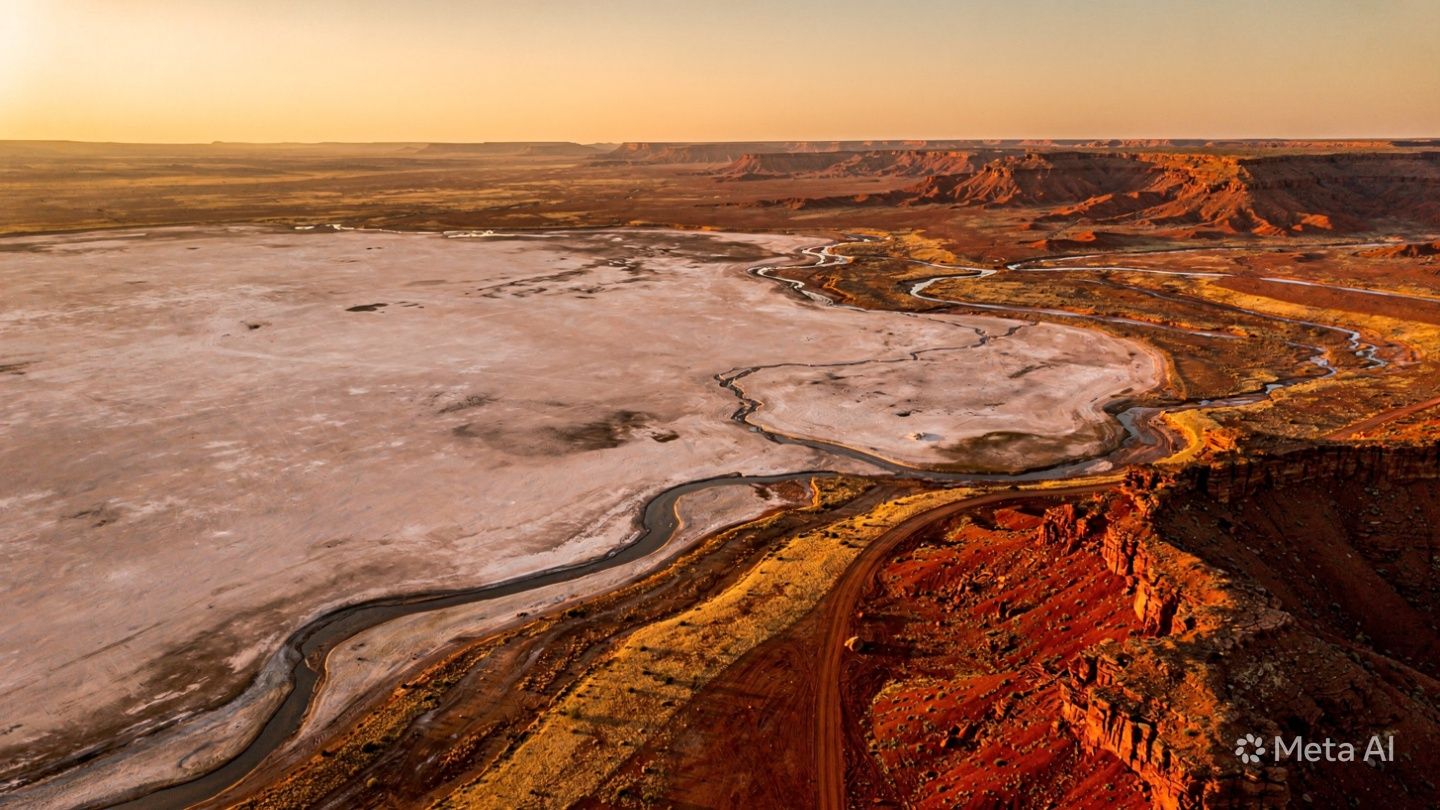
Lake Eyre aerial tours from Adelaide give you a perspective that ground travel simply can’t match. From a low-flying aircraft, the scale of the lake becomes real — 9,500 square kilometres of ancient geology, salt crystals catching the light, and on a flood year, shallow water that mirrors the sky like a vast inland sea.

Our Lake Eyre scenic flights from Adelaide are carefully timed to take advantage of early morning clarity, when the colours are sharpest and the air is at its smoothest. We work with experienced outback aviation partners who know this airspace and these conditions intimately.

Whether it’s your first time or you’re coming back after a flood event, the aerial view never fails to stop a conversation mid-sentence.

Guided Lake Eyre Tours South Australia — What Happens on the Ground

The flight gets the photographs. The ground tour gets into your bones.

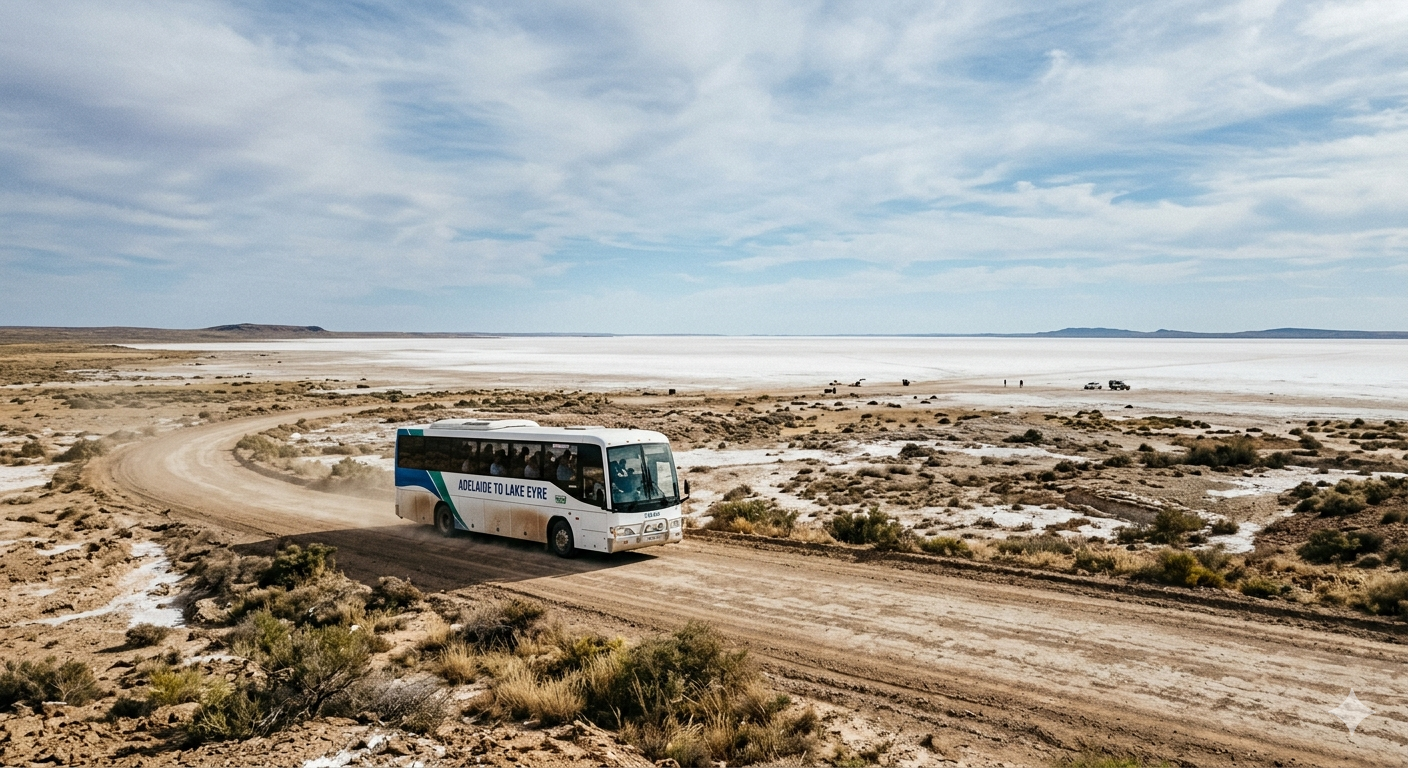
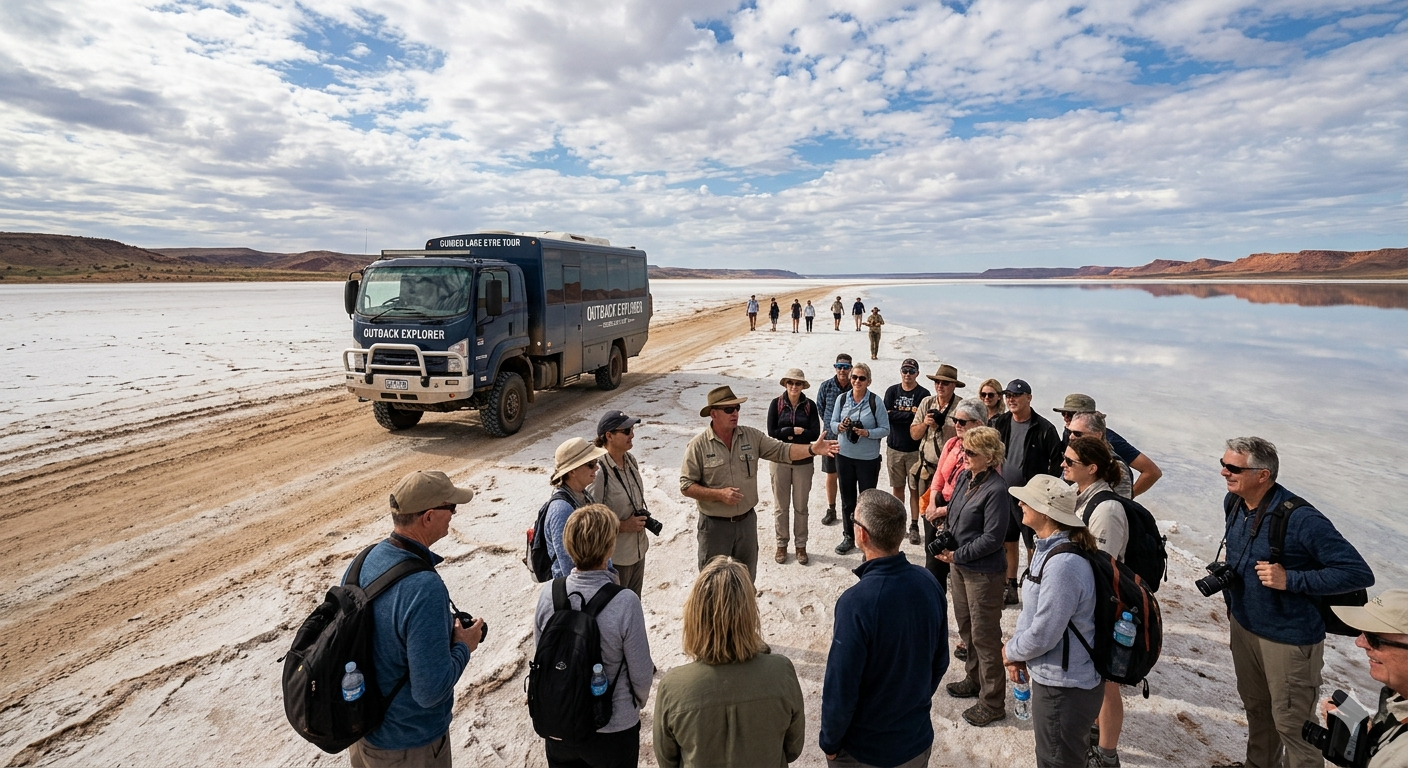
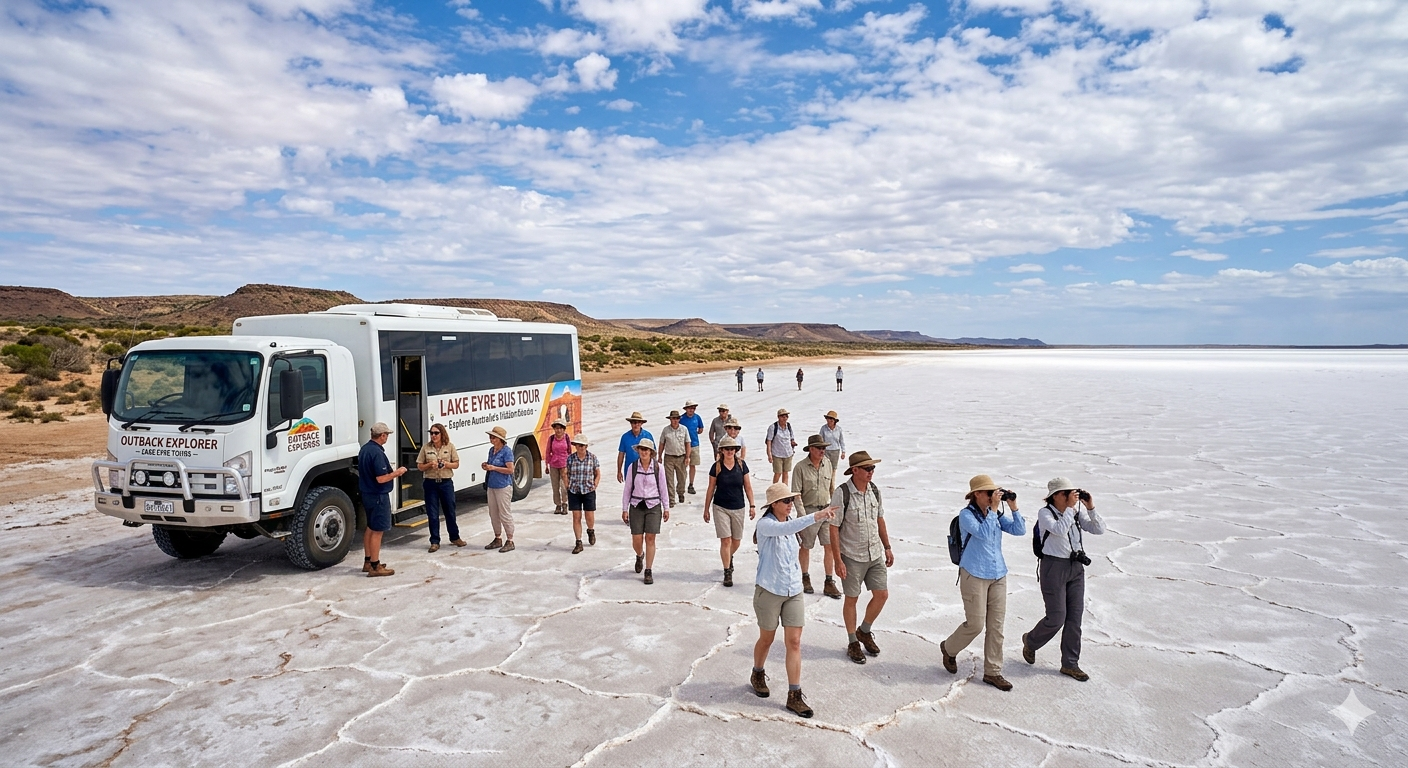
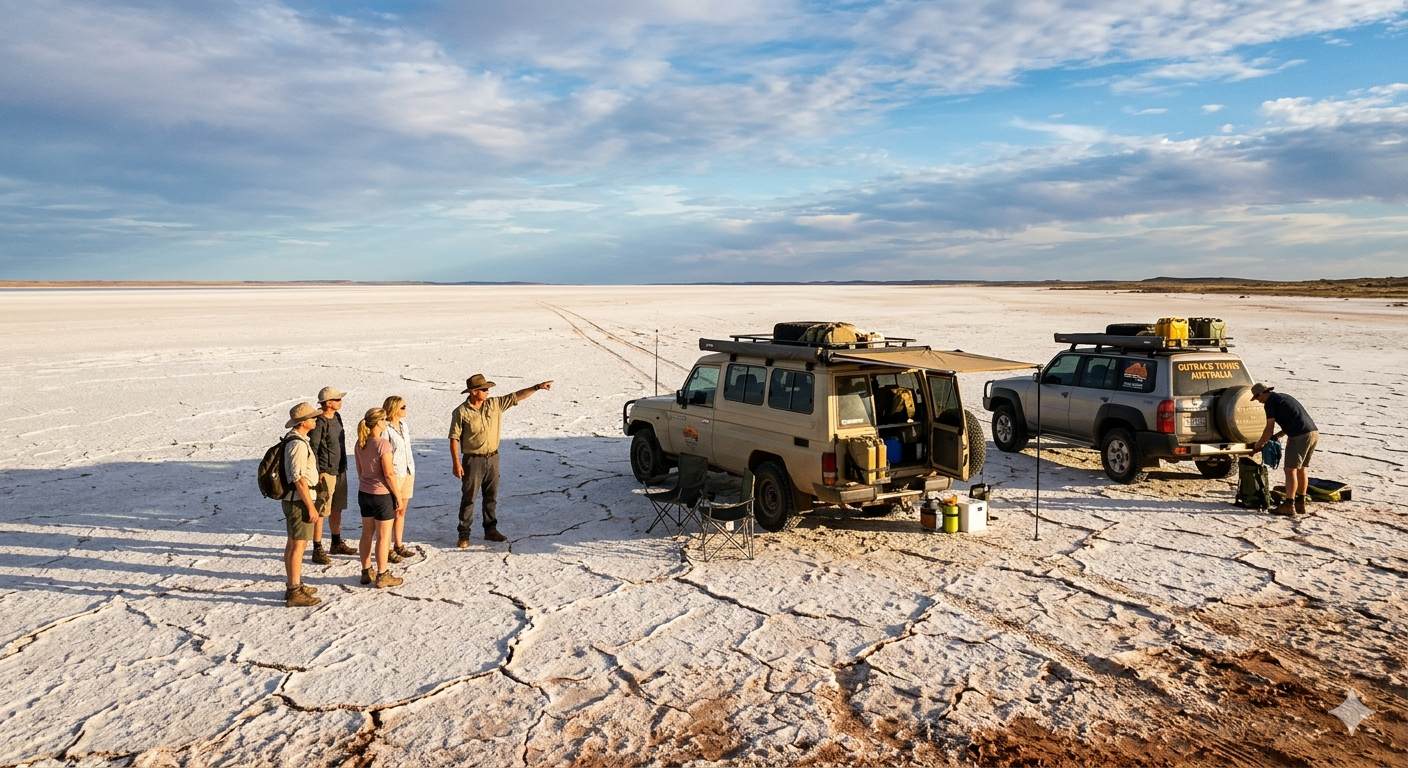
Our guided Lake Eyre tours in South Australia combine 4WD access across outback tracks with genuine cultural and geological storytelling. You’ll walk on the salt crust, understand how the lake’s hydrology works across a continent-wide catchment, and hear about the Arabana people’s deep connection to Kati Thanda.

We keep our groups small deliberately. You’re not a number on a manifest — you’re someone who came a long way to see something real, and we treat the experience that way.

Outback Tours from Adelaide to Lake Eyre — Planning Your Journey

Outback tours from Adelaide to Lake Eyre typically run over multiple days, and for good reason. The Flinders Ranges, William Creek, Coober Pedy — these aren’t just waypoints, they’re destinations in themselves.

Gekko Safari’s packages are built to give you the full story of the South Australian outback, not just a rushed arrival at the lake and a turnaround. Accommodation is chosen for character and location, meals reflect the region, and your time is never wasted on unnecessary detours.

Kati Thanda Lake Eyre Travel Packages — Tailored to What You’re After

Not every traveller wants the same thing. Some come for the flights. Some want the overland experience. Some are chasing a flood event. Our Kati Thanda Lake Eyre travel packages are structured so you can combine elements based on your time, budget, and what matters most.

Talk to us. We’ve helped hundreds of travellers figure out the right itinerary, and we’ll tell you honestly if a particular package isn’t the best fit for your timing.

Lake Eyre Flood Tours Australia — Chasing the Rarest Show on Earth

Lake Eyre fills significantly perhaps twice a decade. When it does, word travels fast — and so do our Lake Eyre flood tours. The ecosystem that emerges in the weeks following a flood is unlike anything else in Australia: pelicans, banded stilts, and water birds arrive in their hundreds of thousands, turning a salt desert into a thriving inland sea.

If you hear the lake is filling, don’t wait. These windows close faster than most people expect.


Frequently Asked Questions

Q1: How long does it take to get to Lake Eyre from Adelaide? 

The drive from Adelaide to the Lake Eyre region takes approximately 10–12 hours depending on your route. Most of our tours fly or drive via William Creek. We recommend multi-day packages to make the most of the journey and avoid rushing.

Q2: When is the best time of year to visit Lake Eyre? 

Late autumn through early spring (May–September) offers the most comfortable outback temperatures. Flood events can occur after major rainfall in Queensland, which can happen any time of year — we update availability when conditions change.

Q3: Do I need outback experience to join a Gekko Safari tour? 

Not at all. Our tours are designed for all experience levels. We handle the logistics, navigation, and 4WD driving — your job is to show up and take it all in.

Q4: What’s the difference between a scenic flight and a ground tour? 

A scenic flight gives you the aerial scale and photography of the lake itself. A ground tour gives you time on the salt crust, cultural context, and the full outback landscape. Many of our guests do both, and we’d say that’s the complete experience.

Q5: What makes Gekko Safari different from other Lake Eyre tour operators? 

We’re a small-group operator based in Adelaide with years of outback experience specific to this region. We don’t overbook. We don’t rush. And our guides are genuinely passionate about the South Australian outback — not just doing a job.

Ready to see Kati Thanda for yourself? Contact Gekko Safari to discuss your Lake Eyre tour from Adelaide and find the package that fits your journey.

Get in Touch

Planning your next outback adventure with Gekko Safari? Our friendly team is ready to help you book the perfect Lake Eyre tour from Adelaide. Whether you need itinerary details or travel advice, simply reach out via email or phone. We’re here to make your journey smooth, memorable, and truly unforgettable. Contact us today to get started on your Lake Eyre experience.

Best Time to Take a Lake Eyre Scenic Flight for Stunning Views

Best Time to Take a Lake Eyre Scenic Flight for Stunning Views

Seeing Kati Thanda-Lake Eyre from above isn’t just a flight; it’s a brush with one of the most unpredictable natural wonders on the planet. Most people see photos of a shimmering blue sea in the middle of the desert and assume that’s the “standard” look. In reality, this ancient basin is a shapeshifter. Whether you’re chasing the rare arrival of Queensland floodwaters or the blinding, cracked white of the dry salt pan, timing is everything.

At Gekko Safari, we’ve spent decades tracking the rains and the dust. We know that a good Lake Eyre sightseeing flight option changes depending on which way the wind is blowing and how the Cooper Creek is flowing.

Best Time for Lake Eyre Scenic Flights: Chasing the Flow

If your heart is set on seeing water, the best time for Lake Eyre scenic flights usually falls between April and July. This isn’t because of local rain—it’s the result of tropical deluges in the north that take months to trickle down through the Channel Country.

When the water finally arrives, it’s a sensory explosion. You’ll see thousands of pelicans and banded stilts appearing out of nowhere. The water reacts with the salt crust to create swirling patterns of pink and tea-tree brown. We monitor these flows daily, ensuring our guests aren’t just flying over a lake, but witnessing a rare biological event at its absolute peak.

Best Lake Eyre Scenic Flight Experience in the Dry

There is a common misconception that the dry season is “off-peak.” We disagree. From August through to November, you get the best Lake Eyre scenic flight experience for pure, raw texture. Without the water, the salt forms massive, hexagonal crusts that look like another planet.

From the cockpit of a Gekko Safari plane, the contrast is staggering. You have the deep ochre of the Tirari Desert meeting the stark, sterile white of the lake. It is the best time for photography because the shadows are long and the geometric patterns are sharp. It’s a minimalist masterpiece that you simply can’t appreciate from the ground.

Good Lake Eyre Aerial Tour Packages: Beyond the Window

When you’re looking for good Lake Eyre aerial tour packages, you have to look at the “hidden” details. Many operators pack people into larger planes where you’re lucky to get a glimpse of the horizon over someone’s shoulder.

Gekko Safari does things differently. Our expertise is built on small-group intimacy. We guarantee a window seat for every traveler because we know that the “wow” factor happens when there’s nothing between you and the salt. We don’t just point out the lake; we take you over the Marree Man and explain the deep indigenous history of the Arabana people, making the flight a journey through time as much as space.

Gekko Safari: Good Scenic Flight Operators for Lake Eyre

Trust in the outback is earned, not bought. To be considered among the good scenic flight operators for Lake Eyre, you need to have “dust under your fingernails.” Our team has lived and breathed the South Australian outback for over 25 years.

The Gekko Safari Difference: To show you what real expertise looks like, consider the “Belt Bay” effect. Most pilots fly a standard loop. However, our experienced guides know that as the water recedes, it pools in Belt Bay—the lowest point in Australia. Last season, while other flights stayed high, we dropped our altitude (safely and legally) to show our guests the incredible salt-foam “icebergs” that form along the shoreline. That’s the kind of trustworthy insight that only comes from decades of flying these specific coordinates.

Best Lake Eyre Flight Deals and Prices for Savvy Travelers

Let’s talk value. The best Lake Eyre flight deals and prices aren’t always the cheapest stickers on the wall. They are the tours that give you more “time on glass.”

By basing our operations in local hubs like Marree and William Creek, we cut out the “dead air” time spent flying over flat scrub. This means every dollar you spend is going toward actual sightseeing. We specialize in localized, boutique experiences that integrate the flight into a larger outback adventure, giving you a far better return on your investment than a generic fly-in, fly-out service.

Contact Us

Ready to see the outback from a perspective few ever witness?

Don’t leave your journey to chance with generic operators. Join Gekko Safari for a personalized, small-group adventure where a guaranteed window seat and decades of local expertise come standard. Whether the lake is a shimmering inland sea or a vast salt masterpiece, we’ll ensure you’re in the right place at the absolute best time for those iconic views. Book your Lake Eyre scenic flight with Gekko Safari today and experience the true heart of Australia with the experts who know it best. 

Frequently Asked Questions (FAQ)

  1. When is the “pink water” most visible?

This usually happens as the water starts to evaporate in late winter (July/August). The salinity increases, triggering algae that turn the water a stunning bubblegum pink.

  1. Can we see the Marree Man on the way?

Yes. Every good Lake Eyre sightseeing flight option we offer includes a pass over the Marree Man. Seeing this 4km-long geoglyph from the air is the only way to truly grasp its scale.

  1. Is it better to fly in the morning or afternoon?

Both have perks. Morning light is crisp and clear, but the late afternoon “Golden Hour” makes the red desert dunes look like they are glowing from within.

  1. What happens if the weather is bad?

Safety is our top priority. As trustworthy operators, if the visibility is poor or the winds are too high, we reschedule or provide full transparency on what to expect.

  1. Do I need a high-end camera?

While a DSLR is great, modern smartphones do an incredible job. The key is to keep your lens close to the window to avoid reflections from the cabin lights!

Outback Cultural Heritage Tours | Gekko Safari South Australia

A Complete Guide to Outback Cultural Heritage Tours in Australia

The Australian Outback is not merely a destination; it is a living, breathing map of the world’s oldest continuous living culture. For those seeking more than just a photograph of a red sunset, outback cultural heritage tours offer a gateway into a profound understanding of “Country.” In South Australia, where the salt pans of Kati Thanda–Lake Eyre meet the towering ridges of the Ikara-Flinders Ranges, the landscape speaks through its history, its people, and its traditions.

Why Outback Cultural Heritage Tours are Essential for Modern Travellers

In an era of rapid digital consumption, the value of slow, intentional travel has never been higher. Cultural heritage tours move beyond the surface of tourism. They invite travellers to pause and listen to the land. When you engage with the outback through a cultural lens, you are not just a spectator; you become a witness to a story that has been told for over 60,000 years. Choosing a guided journey ensures that you navigate these sensitive environments with the respect they deserve, accessing sites that are often restricted to the general public to protect their spiritual integrity.

Connecting with Ancient Landscapes through Indigenous Australian Cultural Experiences

True connection to the Australian desert comes from understanding that every rock, creek bed, and star has a name and a narrative. Indigenous Australian cultural experiences allow visitors to see the landscape through the eyes of the Traditional Custodians. Whether it is observing the intricate patterns of ancient rock art at Arkaroo Rock or feeling the cool breeze of a sacred spring, these moments bridge the gap between the modern world and the ancient past. At Gekko Safari, we believe that the best way to honour this connection is through small-group intimacy, allowing for quiet reflection and genuine conversation with the land.

The Significance of Dreamtime Stories and Traditions in South Australia

South Australia’s outback is a primary setting for some of the most significant Dreamtime stories and traditions. These are not “myths” in the Western sense, but rather a sophisticated system of law, ecology, and spirituality. For example, the Adnyamathanha people of the Flinders Ranges share the story of the Akurra (great serpents) who formed the peaks of Wilpena Pound. Understanding these stories changes how you view the horizon; a mountain is no longer just a geological formation, but a physical manifestation of a spiritual journey. These traditions provide the blueprint for how to live in harmony with a harsh yet beautiful environment.

Exploring Remote Australia Cultural Travel with Expert Local Guides

The vastness of the outback can be intimidating, which is why remote Australia cultural travel is best experienced with those who have spent decades traversing its tracks. An expert guide acts as a cultural translator. With over 25 years of experience navigating the Oodnadatta and Birdsville Tracks, Gekko Safari understands the logistical nuances of the desert. Our expertise ensures that you reach remote sites—like the stunning Ochre Cliffs—safely and comfortably. More importantly, our long-standing relationships with local communities mean our tours are welcomed, providing you with a level of authenticity that solo travel simply cannot replicate.

How Gekko Safari Prioritizes Indigenous Community Tourism Australia

Sustainability in the outback is about more than just “leaving no trace”; it is about ensuring that Indigenous community tourism Australia thrives. By partnering directly with Traditional Owners, we ensure that the economic benefits of tourism stay within the community and that the stories shared are done so with the correct permissions.

When Gekko Safari leads a group through the sacred canyons of the Flinders Ranges, we don’t just point at landmarks. Drawing on our 25-year history of desert exploration, Call Now we explain the specific permit systems and cultural protocols required to enter these areas. This expertise ensures our guests are travelling ethically, while our established reputation for reliability means you are supported by a team that knows exactly how the desert breathes in every season.

Frequently Asked Questions

What is the best way to prepare for a cultural tour? 

The best preparation is an open mind. While we provide all the physical comforts and safety equipment, being ready to listen and learn from Traditional Custodians is the key to a rewarding trip.

Are Aboriginal heritage tours in Australia suitable for families? 

Absolutely. These tours are an incredible educational opportunity for children to learn about history, ecology, and respect for different cultures in an engaging, outdoor setting.

What makes South Australia unique for cultural tours? 

South Australia offers a unique blend of accessible ranges and deep-desert salt lakes, featuring iconic sites like the Painted Desert and the historic Ghan rail route, all rich with Indigenous history.

How do these tours support Indigenous Australian cultural experiences? 

By booking with a reputable operator, your fees contribute to the maintenance of cultural sites and provide employment and empowerment for local Indigenous guides and artists.

What is the physical intensity of outback guided cultural tours? 

Most of our tours are designed to be accessible. We focus on short walks and comfortable vehicle transport, ensuring that the focus remains on the cultural experience rather than physical endurance.

Contact Us

If you are planning an unforgettable Outback Cultural Heritage Tour in Australia, our team is ready to assist you with every detail of your journey. Whether you need itinerary guidance, booking support, or general information, feel free to get in touch. We are available through Phone and Email for quick and friendly assistance. Contact us today to start planning your cultural outback adventure and experience the true spirit of Australia.

outback-adventures-australia-south-australia

Outback Adventures Australia in South Australia: Why This Region Stands Out

When people think of outback adventures Australia, they often picture vast red deserts and endless skies—but South Australia offers something even more immersive. From rugged mountain ranges to shimmering salt lakes, this region blends raw landscapes with rich cultural depth. At Gekko Safari, we’ve guided travellers across these remote areas for years, and one thing always stands out: the South Australian outback feels both wild and welcoming at the same time. It’s not just a destination—it’s an experience shaped by nature, history, and the people who know it best.

Wildlife You Can Spot on Australian Outback Tours

One of the biggest highlights of Australian outback tours is the wildlife. In South Australia, you’ll likely encounter kangaroos grazing at sunrise, emus striding across open plains, and wedge-tailed eagles soaring overhead. Reptiles and smaller mammals also thrive in this environment, especially around rocky outcrops and waterholes.

From our experience at Gekko Safari, the best wildlife sightings happen when you slow down. Early mornings and late afternoons are ideal, and respectful observation ensures both safety and authenticity. Our guides are trained to read the land, helping travellers spot animals they might otherwise miss.

Red Centre Travel Experiences and the Power of Wide Open Country

While the Red Centre is often associated with the Northern Territory, the spirit of Red Centre travel experiences extends into South Australia. The red earth, ancient rock formations, and wide-open spaces create a sense of scale that’s hard to describe until you see it yourself.

Driving through these regions, you begin to understand the rhythm of the outback—long stretches of quiet, interrupted by moments of breathtaking beauty. This is where travellers disconnect from busy routines and reconnect with nature in its purest form.

Uluru and Desert Adventures: What Makes the Journey Memorable

No conversation about Uluru and desert adventures is complete without acknowledging the deeper meaning behind these landscapes. While Uluru itself lies beyond South Australia, the desert environments here share similar characteristics—timeless, powerful, and deeply connected to Indigenous culture.

What makes these journeys memorable isn’t just the scenery, but the stories behind it. Learning about the land from those who understand its cultural significance adds a layer of meaning that transforms a simple trip into something far more profound.

South Australia’s Iconic Outback Landscapes

South Australia is home to some of the country’s most iconic outback locations. The Flinders Ranges offer dramatic peaks and ancient geological formasions, while Kati Thanda–Lake Eyre reveals vast salt flats that shimmer under the sun. Coober Pedy, known as the opal capital, introduces travellers to a unique underground way of life.

These landscapes are not just visually stunning—they tell stories millions of years in the making. Based on our guided routes, combining multiple locations in one gives travellers a more complete understanding of the region’s diversity.

Local Culture and First Nations Storytelling

The outback is not just land—it is Country. Understanding this is essential for any meaningful journey. First Nations cultures have cared for these landscapes for tens of thousands of years, and their stories bring the environment to life in ways that go beyond what you see.

Respectful travel means listening, learning, and acknowledging this connection. At Gekko Safari, we encourage experiences that honour local traditions and promote cultural awareness, ensuring that tourism contributes positively to the communities involved.

Why Gekko Safari Is a Trusted Choice for Remote Australia Travel Guide Support

Planning a trip through remote areas requires more than just a map. As part of a reliable remote Australia travel guide, Gekko Safari brings experience, preparation, and local expertise to every journey. Our guides carefully assess routes, weather conditions, and safety measures before departure.

On our South Australia routes, Contact Us Today we ensure water supplies, vehicle readiness, and timing are all managed in advance. This allows travellers to focus on the experience rather than the logistics. It’s this level of preparation that builds trust and makes outback travel both safe and enjoyable.

FAQ

What should I pack for outback camping Australia?
Pack lightweight clothing, sturdy shoes, sun protection, water bottles, and a basic first aid kit. Evenings can get cold, so layering is essential.

When is the best time for outback adventures Australia?
The cooler months from April to September are ideal, offering more comfortable temperatures for travel and exploration.

Is the South Australia outback safe for first-time travellers?
Yes, especially with guided tours. Experienced operators manage safety, navigation, and emergency planning.

Can I combine wildlife viewing with cultural experiences?
Absolutely. Many tours include both, offering a balanced journey through nature and heritage.

How far in advance should I book Australian outback tours?
Booking at least a few months ahead is recommended, particularly during peak travel seasons.

Contact Us

Plan your unforgettable Outback adventure with ease through our dedicated Contact Us section. For bookings, tour details, or travel assistance, simply reach out via Phone or Email. Our friendly team is ready to help you design the perfect South Australia experience, ensuring every journey is smooth, memorable, and tailored to your needs. Contact us today and start your incredible Australian Outback safari adventure.

Why Limestone Coast Boat Tours Should Be on Your Travel Bucket List

Why Limestone Coast Boat Tours Should Be on Your Travel Bucket List

If you are planning a trip to South Australia, there are few experiences that match the natural beauty, calm waters, and dramatic coastal scenery of the Limestone Coast. Among all the ways to explore this region, limestone coast boat tours stand out as one of the most unforgettable travel experiences.

Operated by local experts like Gekko Safari, these tours are not just sightseeing trips—they are guided journeys into hidden caves, wildlife habitats, and untouched coastal landscapes that most visitors never get to see from land.

Below is a complete bucket-list guide to why this experience deserves a top spot in your South Australia travel plans.

Why Limestone Coast Boat Tours Should Be on Every Travel Bucket List

There are travel experiences you enjoy—and then there are experiences you remember for life. Limestone coast boat tours fall into the second category.

Unlike traditional sightseeing, these tours take you directly into the heart of South Australia’s rugged coastline. You don’t just observe nature—you move through it. Towering limestone cliffs, sea-carved caves, and shifting coastal waters create a constantly changing landscape.

With Gekko Safari, these journeys are guided by locals who understand the tides, wildlife patterns, and geological formations of the Limestone Coast. Their on-water experience ensures you don’t miss hidden highlights that most tourists overlook.

This combination of natural beauty and local expertise is what makes the experience truly bucket-list worthy.

Coastal Sightseeing Tours Limestone Coast That Feel Like a Hidden Paradise

One of the most impressive parts of limestone coast boat tours is how quickly the scenery transforms once you leave the shore.

On these coastal sightseeing tours Limestone Coast, you pass dramatic limestone formations, quiet inlets, and untouched stretches of coastline that feel almost untouched by time.

Unlike crowded tourist attractions, these waters are peaceful and open, offering uninterrupted views of South Australia’s raw coastal beauty.

With Gekko Safari guiding the journey, you gain insight into the formation of these landscapes and the natural forces shaping them over millions of years.

Boat Cruises South Australia Coastline Offering Once-in-a-Lifetime Views

The boat cruises South Australia coastline experience is all about perspective.

From the water, cliffs appear taller, caves seem deeper, and the coastline feels far more dramatic than it does from land. Every turn of the boat reveals a new natural frame—perfect for photography or simply taking in the moment.

These cruises are designed for travelers who want more than a standard tour. They offer a slow, immersive journey that lets you appreciate South Australia’s coastline in its purest form.

Gekko Safari’s small-group approach also ensures a more personal and relaxed experience compared to large commercial cruises.

Marine Wildlife Tours Limestone Coast for Unforgettable Encounters

If you love wildlife, marine wildlife tours Limestone Coast are a highlight you should not miss.

The coastal waters are home to dolphins, seabirds, and occasionally seals, all thriving in their natural environment. Seeing these animals in the wild—without barriers or enclosures—adds a powerful emotional connection to the experience.

The guides at Gekko Safari often share insights about animal behavior, migration patterns, and the importance of protecting these marine ecosystems.

This transforms your trip from simple sightseeing into an educational and meaningful wildlife encounter.

Scenic River and Ocean Cruises SA for a Relaxing Coastal Escape

Not all adventures need to be fast-paced. The scenic river and ocean cruises SA experience is designed for travelers who want to slow down and enjoy nature at its calmest.

These cruises combine gentle river sections with open ocean views, offering a peaceful contrast between sheltered waters and dramatic coastal scenery.

It’s the kind of journey where you can simply sit back, listen to the water, and take in the silence of the natural world.

Gekko Safari ensures these cruises remain intimate and relaxing, making them ideal for couples, families, or solo travelers looking for calm exploration.

Limestone Caves and Coastal Boat Trips You Can Only Access by Water

One of the most unique parts of limestone coast boat tours is the access they provide to hidden natural formations.

Many of the limestone caves and coastal boat trips areas are completely unreachable by foot. These caves have been carved over thousands of years by wind and waves, creating stunning natural chambers along the coastline.

From the boat, you get a rare opportunity to see these formations up close while learning about their geological history.

This is where the expertise of Gekko Safari guides becomes especially valuable, as they explain how these natural wonders were formed and why they remain so important to the region.

Guided Boat Excursions Near Limestone Coast Beaches with Local Experts

Choosing guided boat excursions near Limestone Coast beaches ensures you get far more than just a ride on the water.

With Gekko Safari, every journey is guided by locals who know the coastline intimately. They understand safe navigation routes, seasonal wildlife activity, and the best viewing spots for scenery and photography.

This local knowledge adds depth to your experience, turning a simple boat trip into a rich storytelling journey across South Australia’s coastal environment.

Why Gekko Safari Makes Limestone Coast Boat Tours Unforgettable

What sets Gekko Safari apart is their focus on experience, not just transportation.

They don’t simply take you from point A to point B. Instead, they create a guided adventure filled with storytelling, wildlife interpretation, and local knowledge.

Their tours are designed to feel personal, immersive, and connected to the natural environment. This commitment to quality and authenticity is what builds trust and makes them a reliable choice for exploring the Limestone Coast.

Frequently Asked Questions (FAQs)

What makes limestone coast boat tours special?

They offer direct access to cliffs, caves, and marine wildlife that cannot be seen from land, creating a unique coastal experience.

How long do Limestone Coast boat tours usually last?

Most tours range from a few hours to half-day experiences, depending on the route and weather conditions.

Are limestone coast boat tours suitable for families?

Yes, most tours are family-friendly and designed for all age groups with safe guided navigation.

What wildlife can I see during the tours?

You may see dolphins, seabirds, seals, and other marine species native to South Australia’s coastline.

Why choose Gekko Safari for these tours?

Gekko Safari provides guided, locally-led experiences with strong knowledge of the Limestone Coast’s wildlife, caves, and coastal routes.

Final Thoughts

If you are building a travel bucket list for South Australia, limestone coast boat tours should be near the top. They combine adventure, relaxation, wildlife, and natural beauty in a way few other experiences can match.

With expert guidance from Gekko Safari, every moment on the water becomes more meaningful—whether you are exploring limestone caves, Tour spotting dolphins, or simply enjoying the calm coastal views.

This is not just a tour. It’s a journey into one of South Australia’s most remarkable natural landscapes.

Contact Us

If you are planning a memorable coastal adventure along the Limestone Coast, we are here to help you every step of the way. For tour enquiries, bookings, and assistance, please reach out via phone or email. Our friendly team is ready to provide details, availability, and travel guidance to ensure your boat tour experience is seamless, safe, and unforgettable along South Australia’s stunning coastline.

Why Is the Limestone Coast Famous for Natural Wonders?

Why Is the Limestone Coast Famous for Natural Wonders?

Australia’s Limestone Coast is a treasure trove of natural wonders, drawing travelers from around the world to its dramatic landscapes, crystal-clear lakes, and hidden caves. For those who want to experience the limestone coast attractions, this region offers more than just scenic views—it’s a destination where adventure meets tranquility. At Gekko Safari, our local expertise ensures that every traveler experiences the authentic beauty of the Limestone Coast, far beyond the typical tourist trail.

Discover the Outback at Lake Eyre

Lake Eyre is a defining feature of the Australian outback and an essential part of any Limestone Coast travel guide. Known for its vast salt flats and seasonal floods, the lake embodies the true outback —a sense of isolation, rugged beauty, and connection to nature. Visitors who join a Gekko Safari tour can witness this dynamic landscape firsthand, with expert guides explaining the ecological significance and cultural stories surrounding Lake Eyre.

Our guides, with decades of local experience, often share insights about the lake’s transformation from arid salt flats to shimmering waters during rainfall. This unique phenomenon supports wildlife such as pelicans, waterbirds, and migratory species, making it one of the best places to visit in Limestone Coast SA for nature enthusiasts.

Limestone Coast Tourist Spots You Can’t Miss

While Lake Eyre is iconic, the Limestone Coast offers numerous other tourist spots worth exploring:

  • Blue Lake, Mount Gambier: Famous for its vibrant color changes throughout the year.
  • Umpherston Sinkhole: A lush garden within a collapsed cave system.
  • Cape Jaffa Cliffs: Dramatic coastal views and perfect photography spots.
  • Naracoorte Caves: UNESCO World Heritage-listed fossil caves.

Each site provides a different perspective on the region’s geological diversity. By traveling with Gekko Safari, visitors gain exclusive access to hidden areas and enjoy educational insights from our trained local guides.

Things to Do in Limestone Coast South Australia for Every Traveler

Whether you’re an adventurer, family traveler, or photography enthusiast, the Limestone Coast offers endless activities:

  • 4WD tours and bushwalking: Explore the rugged outback and coastal cliffs.
  • Wildlife spotting: From kangaroos to native bird species.
  • Kayaking and fishing: Ideal for experiencing the region’s rivers and lakes.
  • Cultural tours: Learn about the history of the Buandik and Ngarrindjeri people.

Gekko Safari ensures each activity is safe, informative, and unforgettable, combining adventure with education.

Mount Gambier Attractions and Activities Beyond the Blue Lake

Mount Gambier is more than its famous Blue Lake. Travelers can enjoy:

  • Engelbrecht Cave: A private limestone cave experience.
  • Valley Lake Conservation Park: Walking trails and birdwatching.
  • Mount Schank: A dormant volcano offering panoramic views of the region.

Our guides at Gekko Safari highlight lesser-known spots, providing stories and history often missed by typical tours. This insider knowledge exemplifies our authoritative and trustworthy approach to showcasing the Limestone Coast.

A Local Limestone Coast Travel Guide from Gekko Safari

Creating an authentic travel experience is at the heart of Gekko Safari’s mission. Our Limestone Coast travel guide includes:

  1. Personalized itineraries based on interests.
  2. Insights into seasonal changes, like Lake Eyre floods.
  3. Tips for safe exploration in remote areas.
  4. Recommendations for local food, wine, and accommodation.

Traveling with locals ensures visitors discover the best places to visit in Limestone Coast SA while avoiding overcrowded tourist paths.

Best Places to Visit in Limestone Coast SA – Hidden Gems

Beyond well-known attractions, our tours uncover hidden gems, such as:

  • Piccaninnie Ponds: Clear freshwater sinkholes perfect for snorkeling.
  • Coonawarra wine region: Award-winning vineyards.
  • Browns Beach and Canunda National Park: Coastal serenity off the beaten track.

These spots showcase the unique geological and ecological features that make the Limestone Coast famous worldwide.

FAQs About Exploring the Limestone Coast

  1. What makes Lake Eyre a unique destination in the Limestone Coast?
    Lake Eyre is Australia’s largest salt lake, famous for its seasonal transformation and unique wildlife.
  2. How can I experience the outback safely?
    Joining an experienced guide, like Gekko Safari, ensures safety while exploring remote and rugged terrains.
  3. Which Mount Gambier attractions are suitable for families?
    Blue Lake, Umpherston Sinkhole, and Valley Lake Conservation Park are family-friendly highlights.
  4. What are the must-visit Limestone Coast tourist spots?
    Lake Eyre, Blue Lake, Naracoorte Caves, Cape Jaffa Cliffs, and Piccaninnie Ponds are top choices.
  5. When is the best time to travel to the Limestone Coast?
    Spring and autumn offer mild weather and ideal conditions for exploring both coastal and inland attractions.

Experience the Limestone Coast Like a Local

From Lake Eyre’s outback to Mount the Limestone Coast is a region of natural wonders waiting to be discovered. With Gekko Safari, travelers gain unique insights, expert guidance, and unforgettable experiences, ensuring every visit is not only scenic but educational and safe.

Contact Us

For more information about exploring the Limestone Coast’s famous natural wonders, feel free to reach out through our contact us page. Our team is always ready to help you plan your perfect trip, answer your queries, and guide you with travel details. You can connect via phone or email for quick assistance. We look forward to helping you discover unforgettable landscapes, caves, lakes, and coastal beauty.

Discover the best spots to spot whales from the shore in South Australia. Explore whale watching locations, tips, and Gekko Safari’s expert tours for an unforgettable experience.

Can You See Whales from the Shore in South Australia?

Whale watching in South Australia is an exhilarating experience that draws visitors from around the world. Whether you’re standing on the shore or embarking on a dedicated whale watching tour, South Australia offers some of the best opportunities to witness the majestic Southern Right Whales as they make their seasonal migration. But can you see whales from the shore? Let’s explore everything you need to know about whale watching in South Australia and how Gekko Safari’s expertise makes it a top choice for travelers.

Why South Australia is a Prime Whale Watching Destination

South Australia is home to an incredible diversity of marine life, and its coastline is a hotspot for whale watching. During the winter and spring months, Southern Right Whales migrate from Antarctica to the warmer waters of South Australia to breed and calve. The coastal waters, particularly in places like the Eyre Peninsula and the Fleurieu Peninsula, offer spectacular views of these magnificent creatures.

While the best way to see whales up close is by booking a dedicated tour, many spots in South Australia allow you to see these gentle giants from the shore. This means you can enjoy whale watching without even leaving the beach! Locations like Victor Harbor, Encounter Bay, and the Head of Bight offer some of the best whale sightings.

The Best Whale Watching Locations in South Australia

South Australia is dotted with prime whale-watching locations that cater to both shore-based and boat-based enthusiasts. Some of the top locations for spotting whales from the shore include:

1. Head of Bight

Located on the Nullarbor Plain, the Head of Bight is renowned for its breathtaking whale sightings. The Bunda Cliffs provide a stunning backdrop to the Southern Right Whales as they swim close to the shoreline. The Head of Bight is particularly famous for its accessible viewing platform, making it one of the best locations for shore-based whale watching.

2. Victor Harbor

Located just 80 kilometers south of Adelaide, Victor Harbor is one of the most popular whale-watching spots in South Australia. The town’s easy access to the coast and its whale-friendly environment means that whales often come within viewing range. Encounter Bay, in particular, is a hotspot for spotting Southern Right Whales, and during the peak season (June to October), sightings are almost guaranteed.

3. Kingston SE

Kingston SE, located along the Coorong, is another excellent place to see whales from the shore. Its remote beaches are ideal for watching whales in peace, away from the crowds. The area’s natural beauty makes it a favorite for nature lovers, and during whale season, you can often spot whales breaching in the distance.

4. Fowlers Bay

Fowlers Bay, located in the far west of South Australia, is famous for its wildlife and pristine beaches. The area is known for its remote nature, and visitors here can experience intimate whale-watching experiences from the shore. The whale migration patterns in this region are awe-inspiring, and the lack of large crowds makes it a peaceful viewing spot.

Southern Right Whale Migration: A Seasonal Spectacle

The Southern Right Whales’ migration is one of the most incredible natural events you can witness in South Australia. These whales travel approximately 3,000 kilometers from the icy waters of Antarctica to the warmer southern coasts of Australia, including the shores of South Australia, for breeding and calving.

From May to October, thousands of Southern Right Whales congregate in these coastal waters. The best time to spot them is during the months of June to September, when the whales are the most active. Their presence marks the peak of the whale-watching season, and while they tend to stay far from the shore, they occasionally come very close, offering spectacular sightings for those with patience and a keen eye.

Gekko Safari’s Whale Watching Tours: A Personalized Experience

While spotting whales from the shore is a thrilling experience, nothing compares to the personalized whale-watching tours offered by Gekko Safari. As experts in the region’s wildlife, Gekko Safari ensures that each tour provides not just a chance to see whales up close but also an in-depth understanding of their behavior and migration patterns.

Gekko Safari’s tours are designed to offer a more intimate experience, with expert guides who are well-versed in the region’s marine life and whale migration. Whether you choose to go on a boat tour or embark on a shore-based adventure, Gekko Safari’s commitment to sustainability and customer satisfaction ensures that every whale-watching experience is safe, educational, and unforgettable.

Eco-Friendly Whale Watching: A Responsible Approach

At Gekko Safari, we believe that whale watching should not only be a thrilling experience but also an eco-conscious one. Our tours are designed to minimize our impact on the environment and the whales. We follow strict guidelines to ensure that we do not disturb the natural habitats of the whales, and our boats are equipped with technology to ensure safe distances are maintained.

Whale Watching Tips: Maximizing Your Chances of Seeing Whales

If you’re planning to see whales from the shore, here are some expert tips to maximize your chances:

  • Pick the Right Spot: Coastal locations like Victor Harbor, the Head of Bight, and Kingston SE offer excellent whale-watching opportunities.
  • Time It Right: Visit during the peak whale-watching months of June to October. Early mornings or late afternoons are often the best times for sightings.
  • Be Patient: Whales can be elusive, so it may take time to spot them. Bring binoculars and be prepared for long waits.
  • Respect the Environment: Always maintain a safe distance from the whales, especially when using a boat. Gekko Safari follows eco-friendly practices to protect the wildlife.

Frequently Asked Questions (FAQs)

  1. What is the best time to see whales in South Australia?
    The best time to see whales is from June to October when the Southern Right Whales migrate to the region for breeding.
  2. Can I spot whales from the shore in South Australia?
    Yes, many locations like Victor Harbor, Kingston SE, and the Head of Bight allow for excellent shore-based whale sightings.
  3. What whale species can I see in South Australia?
    The Southern Right Whale is the most commonly sighted species during whale season, but you may also spot humpback whales and even orcas in the region.
  4. How far off the coast can I see whales in South Australia?
    Whales tend to stay close to the shore, sometimes coming as close as 100 meters. However, boat tours offer closer encounters.
  5. How can I book a whale watching tour with Gekko Safari?
    You can book your whale watching tour directly through Gekko Safari’s website or by contacting our team for more personalized assistance.

Conclusion: Embrace the Whale Watching Experience in South Australia

South Australia’s coastline offers some of the best whale-watching opportunities in the world. Whether you’re spotting whales from the shore or experiencing the thrill of a guided tour, there’s no shortage of awe-inspiring moments to be had. With Gekko Safari’s expert guides and commitment to sustainable tourism, you can enjoy a whale-watching experience that’s both educational and unforgettable.

Contact Us

If you’re planning a whale watching experience along the stunning South Australian coastline, we’re here to help you every step of the way. For bookings, enquiries, or detailed tour information, please don’t hesitate to reach out via phone or email. Our team is always ready to assist and ensure you have the best possible coastal adventure and unforgettable wildlife experience.

Managed by Omnific IT